
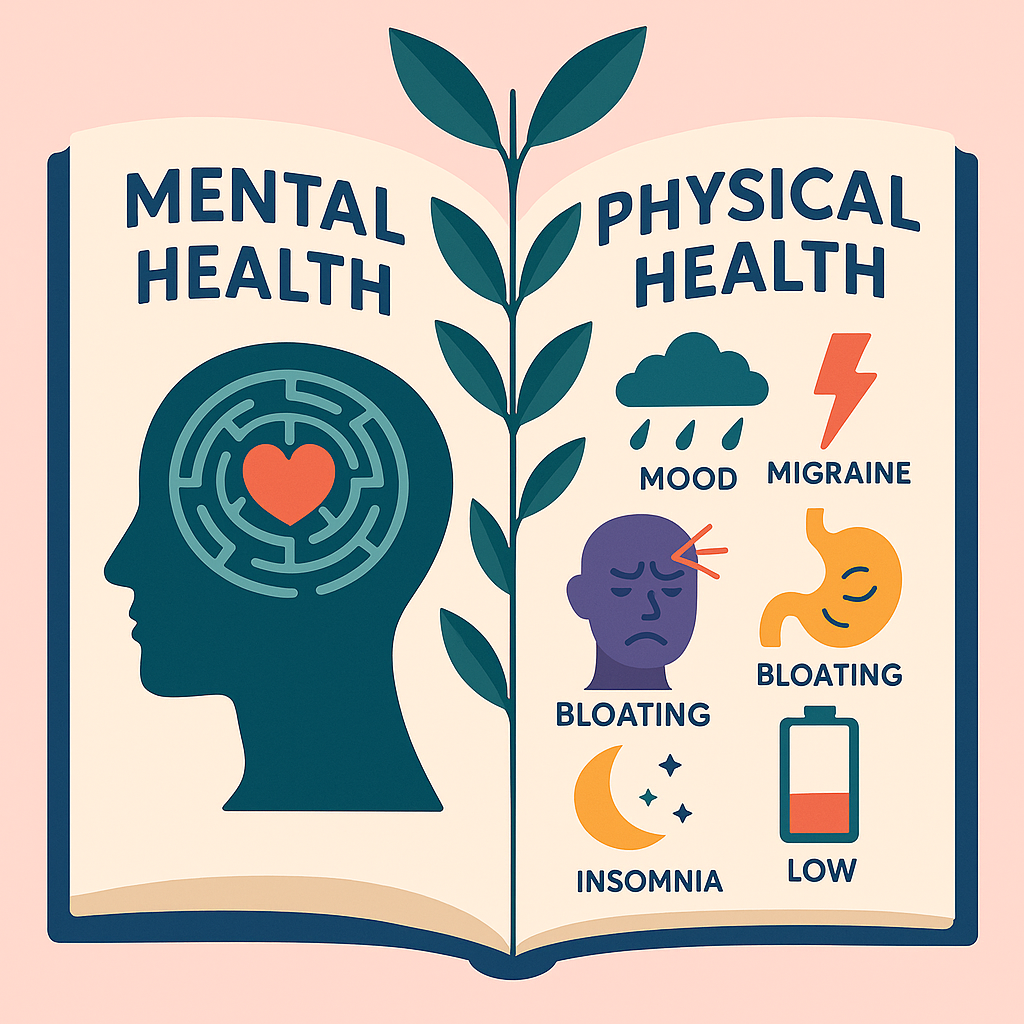
 Rethinking Serotonin: What Gender Differences Truly Tell Us
I recently watched an engaging and highly insightful session by Dr. Vladimir Maletic, delivered at the 2023 NEI Congress under the title “Brain Networks, Circuits and Neurotransmitters: A Roadmap to Better Outcomes.” What stood out was the way complex neuroscience was made accessible while also dismantling several commonly held—but misleading—assumptions about mental health, particularly those related to gender and serotonin.
Serotonin is often casually labeled as the brain’s “happiness chemical.” However, as the session made clear, its role is far more sophisticated. Serotonin participates in extensive brain networks that influence emotional regulation, cognition, stress response, sleep, appetite, and resilience. Rather than acting alone, it works in coordination with hormones, receptors, neural circuits, and environmental factors.
Do Women Actually Have Less Serotonin?
One of the most persistent claims in popular discourse is that women have significantly lower serotonin levels than men. Dr. Maletic’s explanation helped unpack how this belief arose—and why it requires nuance.
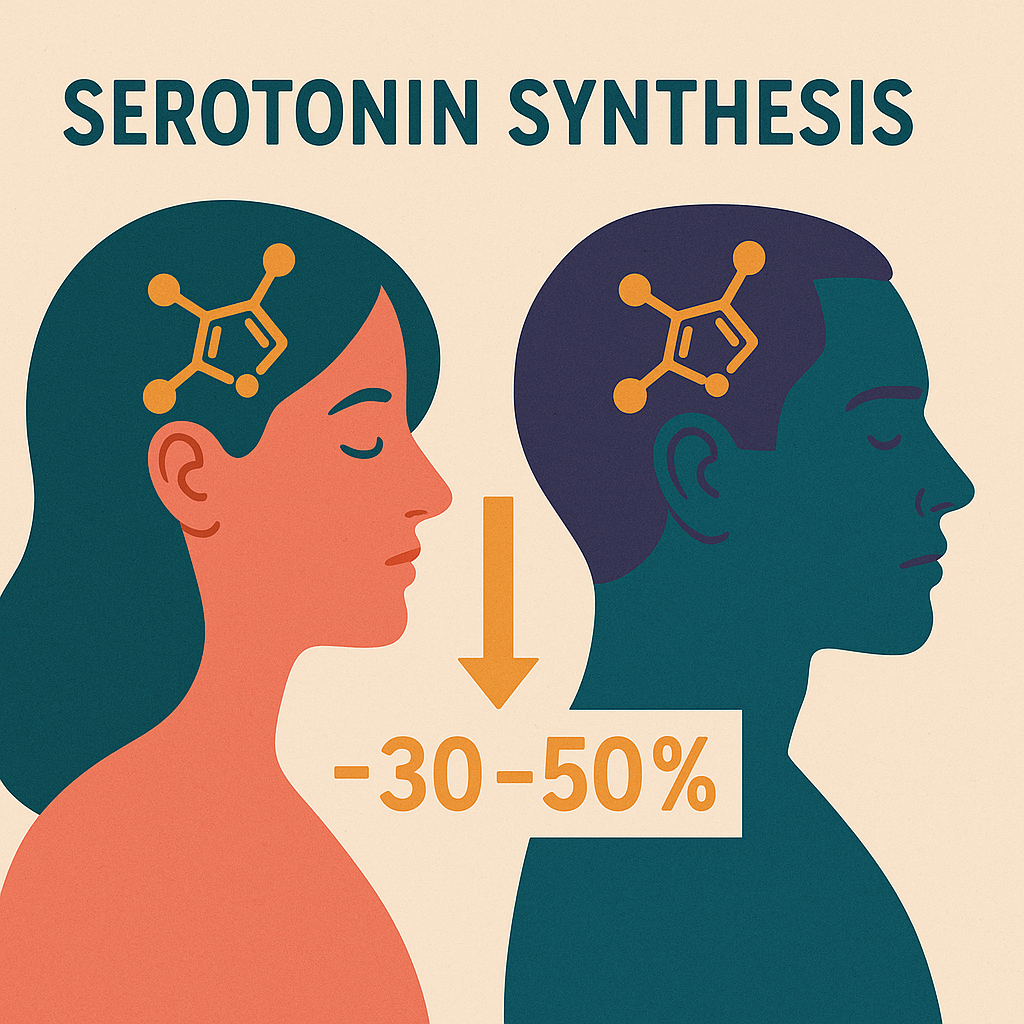
Neuroimaging studies using PET scans suggest that, on average, serotonin synthesis in women may occur at a slower rate—roughly 30–50% lower—than in men. Crucially, this finding refers to the speed of production, not the total amount of serotonin present in the brain at any given time.
This distinction matters because it means women do not permanently have lower serotonin levels. It does not indicate a biological inadequacy, nor does it automatically translate into depression or anxiety. Serotonin activity is highly dynamic and influenced by hormonal changes, stress exposure, life experiences, receptor responsiveness, and overall brain network efficiency.
Why Hormonal Influence Is Central
A key theme of the lecture was the interaction between serotonin and hormones, particularly estrogen. Estrogen plays an important role in optimizing serotonin signaling by supporting its production, enhancing receptor responsiveness, and modulating serotonin transport mechanisms.
As a result, emotional vulnerability often becomes more noticeable during hormonal transitions such as the premenstrual phase, after childbirth, during perimenopause, or in menopause. These shifts reflect biological recalibration rather than emotional fragility. They represent the brain adapting to changing internal conditions.
Looking Beyond the “Chemical Imbalance” Model
One of the most compelling aspects of the session was its emphasis on a network-based understanding of mental health. Instead of framing psychological conditions as simple neurotransmitter shortages, Dr. Maletic highlighted disruptions in communication across brain circuits.
Serotonin is a vital signaling molecule within this system, but outcomes depend on how effectively multiple networks coordinate. This framework helps explain why responses to stress, medication, or therapy vary widely across individuals and why gender, hormonal context, and neural circuitry all matter in treatment planning.
Key Insights from the Lecture
Serotonin functions primarily as a regulator within interconnected brain systems rather than as a simple mood switch. Differences between men and women reflect variations in synthesis dynamics rather than biological deficits. Hormones, particularly estrogen, strongly influence serotonin signaling, especially during key life-stage transitions.
Mental health conditions arise from circuit-level disruptions rather than isolated chemical imbalances. Individual and gender-specific differences in brain circuitry, hormone levels, and receptor behavior help explain varied responses to antidepressants and therapeutic interventions. A network-oriented understanding of the brain allows for more precise, personalized, and effective mental health care.
Conclusion
The idea that women “have less serotonin” oversimplifies and distorts a far more empowering scientific reality. What research actually reveals is a brain that is highly responsive, hormonally attuned, and dynamically regulated. Sensitivity, in this context, reflects adaptability rather than deficiency.
Dr. Maletic’s lecture reinforces an essential message: mental health is not about identifying shortcomings but about understanding complexity—how brain networks, neurotransmitters, hormones, and lived experience continuously interact to shape emotional well-being.
Reference
Maletic, V.
Brain Networks, Circuits and Neurotransmitters: A Roadmap to Better Outcomes
Presented at the 2023 NEI Congress