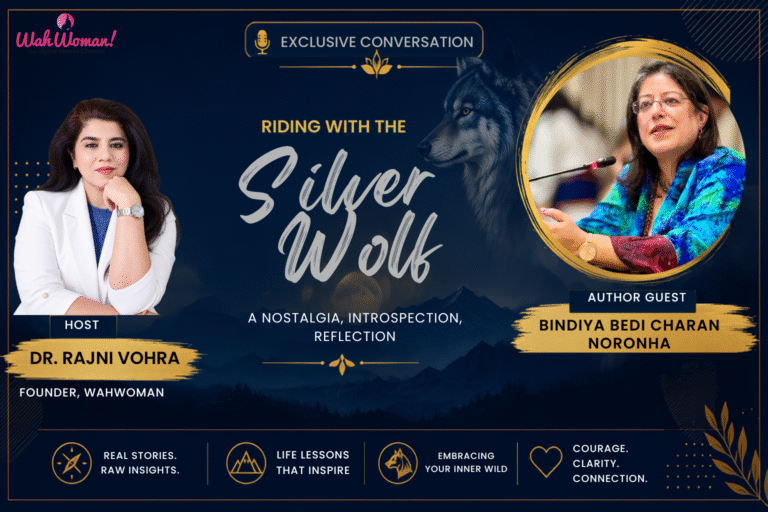
What does it mean to face life’s challenges with courage, resilience and self-awareness?
In this insightful conversation, Dr. Rajni Vohra speaks with author Bindiya Bedi Charan Noronha about her book Riding with the Silver Wolf—a compelling story that explores life, challenges, transformation and the journey of discovering strength within ourselves.
The conversation goes beyond the book to explore the deeper ideas behind the story: resilience, personal growth, navigating difficult experiences, finding courage in uncertainty, and understanding the lessons that life teaches us along the way.
If you enjoy author interviews, books, storytelling, personal growth, leadership, resilience and meaningful conversations, this interview is for you.
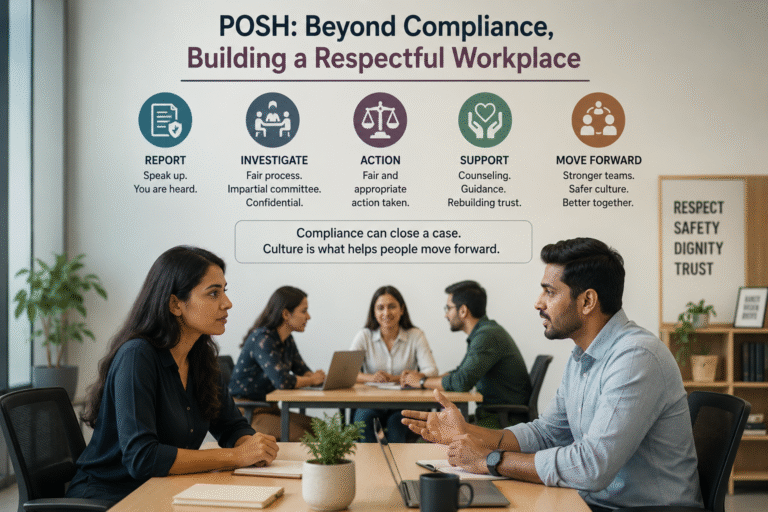
POSH: Beyond Compliance, What Happens After the Case is Closed?
POSH(Prevention of Sexual Harassment) is often discussed from two perspectives: the complainant and the accused. Much less attention is given to the third dimension i.e -the team that continues to work together after a complaint is investigated and resolved.
Recent data suggests that workplace sexual harassment continues to be a significant concern in corporate India. The data deserves attention-
• Listed companies in India reported 2,777 sexual harassment complaints in FY2023–24, up from 2,026 in FY2022–23 and 1,313 in FY2021–22.(Forbes India) .
• Among the BSE Top 30 companies, 958 complaints were reported in FY2024–25, compared with 902 complaints in FY2023–24. (The Economic Times)
• According to data presented in Parliament, the Government’s SHe-Box portal received 254 workplace sexual harassment complaints in 2025. Since the portal’s relaunch in August 2024, 296 complaints had been registered.(Times of India )
At the same time, studies indicate that many companies continue to report zero complaints, which experts believe may reflect under-reporting rather than the complete absence of incidents. Some analyses have also highlighted a growing backlog of unresolved POSH cases.
When a complaint is formally registered, organizations have a defined process. Internal Committees investigate and actions may range from:
• Written apology
• Warning or reprimand
• Counseling
• Salary deduction or compensation
• Suspension
• Termination of employment
But what happens after the decision?
How does a team continue to collaborate productively when trust has been shaken?
How does a manager rebuild confidence among team members?
How do colleagues navigate uncertainty, assumptions, office gossip, and divided opinions?
Whether a complaint is substantiated or not, the workplace is rarely unchanged. Team dynamics, communication patterns, and psychological safety can all be affected.
This is where organizations must think beyond compliance.
POSH is not only about policy, investigations, and disciplinary action. It is also about creating a culture where:
• Employees feel safe to raise concerns.
• Due process is respected.
• Confidentiality is maintained.
• Teams are supported through difficult transitions.
• Productivity is rebuilt through trust rather than silence.
We believe the success of a POSH framework should not be measured only by the number of complaints filed or resolved. It should also be measured by an organization’s ability to restore professional working relationships, maintain dignity for all involved, and preserve a healthy workplace culture.
Compliance can close a case. Culture is what helps people move forward after it.
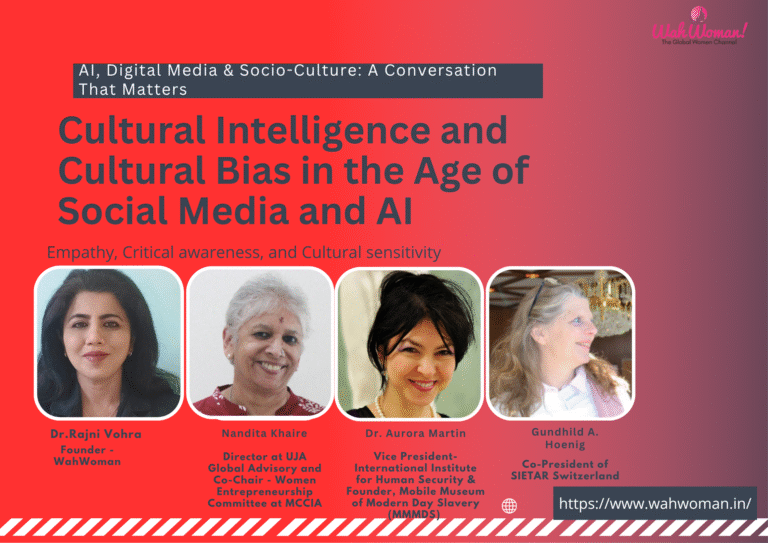
Cultural Intelligence and Cultural Bias in the age of Social Media and AI- a Dialogue on cultural intelligence and bias in the digital age featured discussion of AI’s ethical implications and social media’s role in shifting cultural identity. Digital Media Reshapes Culture Digital media has increased exposure to diverse narratives, shifting cultural norms faster than print media and accelerating the public crafting of identity. This change also introduces commercial angles and powerful algorithms that amplify some voices while muting others. AI Amplifies Cultural Bias AI acts as a mirror, amplifying existing cultural bias when trained on historical data, requiring ethical regulation by governing bodies like the European Union. Ethics frameworks must prioritize vulnerability and incorporate foundational values like human dignity and non-discrimination. Cultural Intelligence Essential Skill Cultural intelligence is required to navigate misinformation and polarization, demanding skills like active listening, digital literacy, and empathetic engagement across perspectives. Leaders are crucial for setting standards and shaping thought processes in this rapidly evolving digital landscape. Dr. Rajni Vohra conducted the session, emphasizing that conversations on cultural intelligence and bias are essential in an age where social media and AI influence global perspectives, noting the need to navigate diversity with sensitivity and fairness.She invited the distinguished panelists: Dr. Nandita Khaire, Gundhild A Hoenig, and Dr. Aurora Martin, setting the stage for a dialogue blending knowledge and expertise.
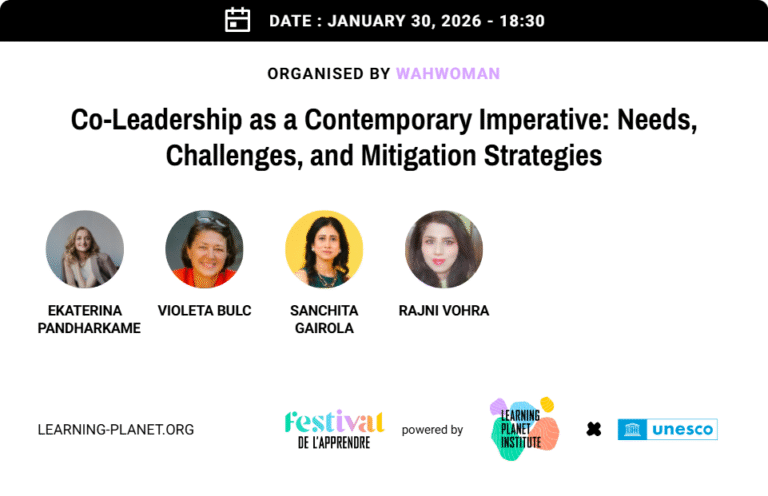
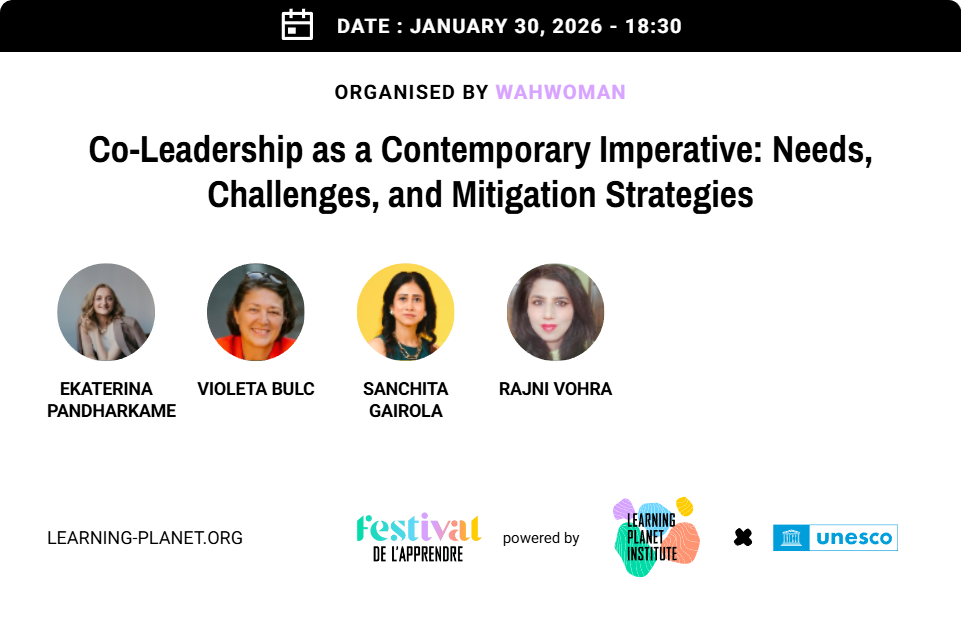
Webinar | Co-Leadership as a Contemporary Imperative: Needs, Challenges & Mitigation Strategies
What does leadership look like in a world defined by complexity, uncertainty, and interconnected crises?
This WahWoman webinar brings together diverse global voices to explore co-leadership—not as a trend, but as a systemic necessity for our time. Hosted by Rajni Vohra, the conversation is supported by the Learning Planet Institute and organized by Wahwoman, and features an inspiring panel: Violeta Bulc – Former Deputy Prime Minister of Slovenia & EU Commissioner, Founder of Ecocivilisation,
Webinar | Co-Leadership as a Contemporary Imperative: Needs, Challenges & Mitigation Strategies What does leadership look like in a world defined by complexity, uncertainty, and interconnected crises? This WahWoman webinar brings together diverse global voices to explore co-leadership—not as a trend, but as a systemic necessity for our time. Hosted by Rajni Vohra, the conversation is supported by the Learning Planet Institute and organized by Wahwoman, and features an inspiring panel: Violeta Bulc – Former Deputy Prime Minister of Slovenia & EU Commissioner, Founder of Ecocivilisation Sanchita Gairola Mishra – Co-founder & Director, Vision 360 Management Consulting Ekaterina Pandharkame – Social Psychologist ✨ Key Reflections from the Conversation Why single-hero leadership is breaking down—especially in politics and large systems Co-leadership as collaboration, participation, and shared consequence, not polite division of roles Why accountability is harder to share than power or visibility The psychological demands of co-leadership: managing uncertainty, ego, anxiety, and comparison Gendered expectations in leadership—and how consistency, not correction, reshapes power dynamics Moving from “power” to strength, from control to holding space for emergence A recurring insight across the panel: The future of leadership is less about being the hero—and more about being the connector. This conversation is an invitation to unlearn old leadership myths and re-imagine leadership as relational, systemic, and deeply human.
✨ Key Reflections from the Conversation Why single-hero leadership is breaking down—especially in politics and large systems Co-leadership as collaboration, participation, and shared consequence, not polite division of roles Why accountability is harder to share than power or visibility The psychological demands of co-leadership: managing uncertainty, ego, anxiety, and comparison Gendered expectations in leadership—and how consistency, not correction, reshapes power dynamics Moving from “power” to strength, from control to holding space for emergence A recurring insight across the panel: The future of leadership is less about being the hero—and more about being the connector. This conversation is an invitation to unlearn old leadership myths and re-imagine leadership as relational, systemic, and deeply human.
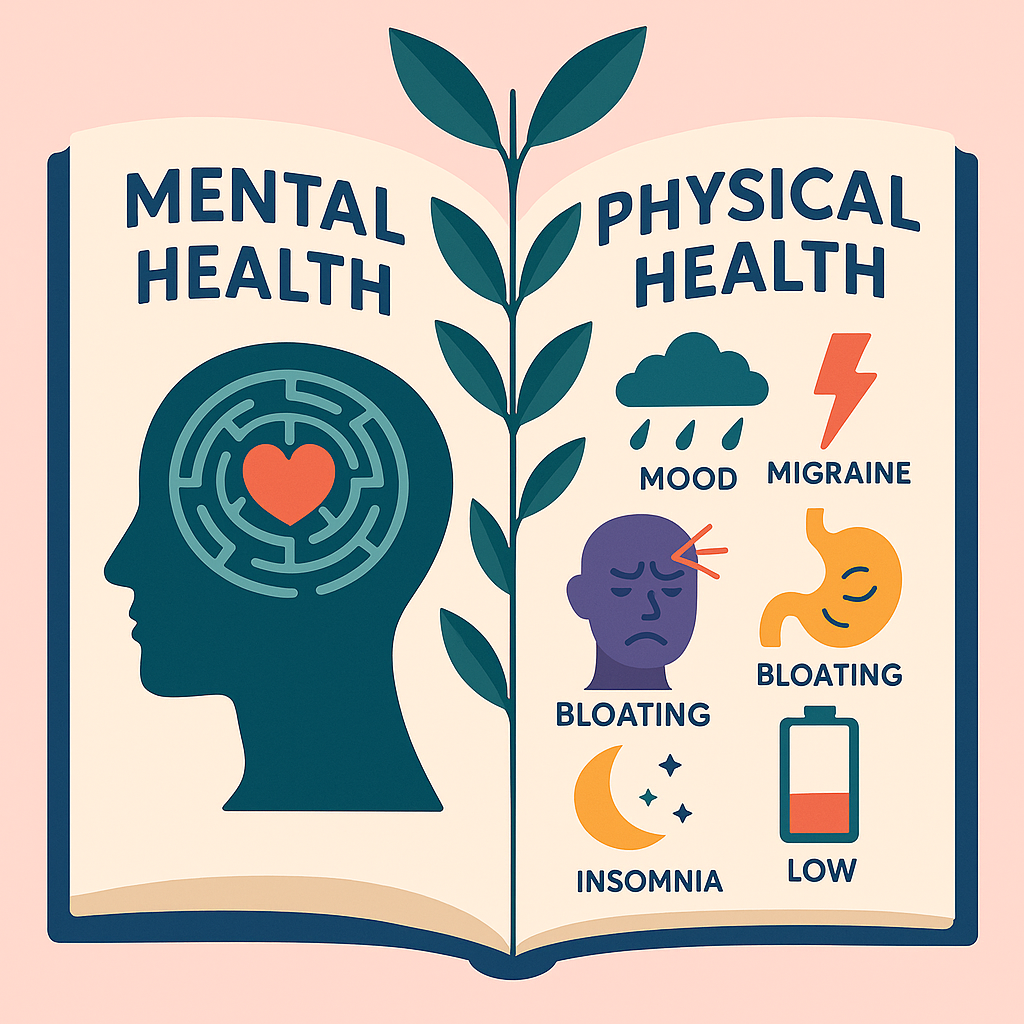
Rethinking Serotonin: What Gender Differences Truly Tell Us
I recently watched an engaging and highly insightful session by Dr. Vladimir Maletic, delivered at the 2023 NEI Congress under the title “Brain Networks, Circuits and Neurotransmitters: A Roadmap to Better Outcomes.” What stood out was the way complex neuroscience was made accessible while also dismantling several commonly held—but misleading—assumptions about mental health, particularly those related to gender and serotonin.
Serotonin is often casually labeled as the brain’s “happiness chemical.” However, as the session made clear, its role is far more sophisticated. Serotonin participates in extensive brain networks that influence emotional regulation, cognition, stress response, sleep, appetite, and resilience. Rather than acting alone, it works in coordination with hormones, receptors, neural circuits, and environmental factors.
Do Women Actually Have Less Serotonin?
One of the most persistent claims in popular discourse is that women have significantly lower serotonin levels than men. Dr. Maletic’s explanation helped unpack how this belief arose—and why it requires nuance.
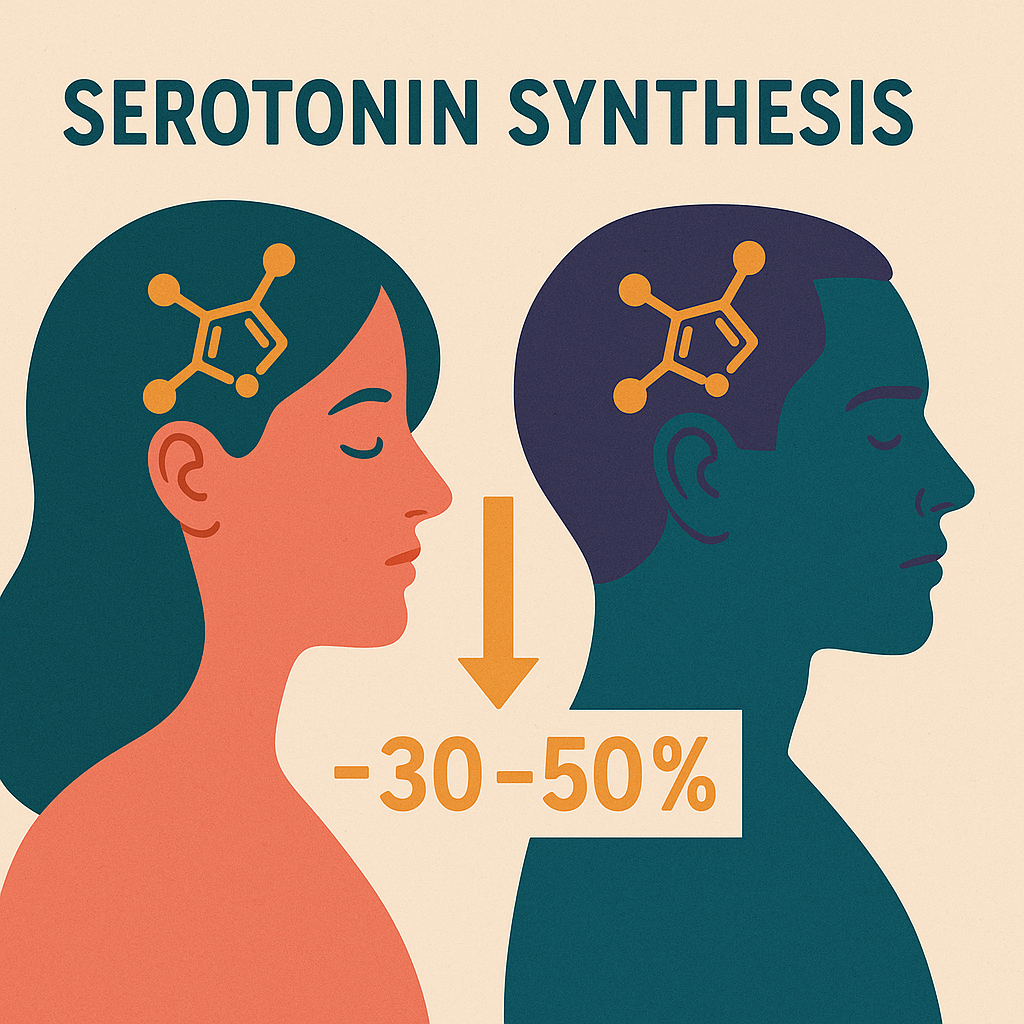
Neuroimaging studies using PET scans suggest that, on average, serotonin synthesis in women may occur at a slower rate—roughly 30–50% lower—than in men. Crucially, this finding refers to the speed of production, not the total amount of serotonin present in the brain at any given time.
This distinction matters because it means women do not permanently have lower serotonin levels. It does not indicate a biological inadequacy, nor does it automatically translate into depression or anxiety. Serotonin activity is highly dynamic and influenced by hormonal changes, stress exposure, life experiences, receptor responsiveness, and overall brain network efficiency.
Why Hormonal Influence Is Central
A key theme of the lecture was the interaction between serotonin and hormones, particularly estrogen. Estrogen plays an important role in optimizing serotonin signaling by supporting its production, enhancing receptor responsiveness, and modulating serotonin transport mechanisms.
As a result, emotional vulnerability often becomes more noticeable during hormonal transitions such as the premenstrual phase, after childbirth, during perimenopause, or in menopause. These shifts reflect biological recalibration rather than emotional fragility. They represent the brain adapting to changing internal conditions.
Looking Beyond the “Chemical Imbalance” Model
One of the most compelling aspects of the session was its emphasis on a network-based understanding of mental health. Instead of framing psychological conditions as simple neurotransmitter shortages, Dr. Maletic highlighted disruptions in communication across brain circuits.
Serotonin is a vital signaling molecule within this system, but outcomes depend on how effectively multiple networks coordinate. This framework helps explain why responses to stress, medication, or therapy vary widely across individuals and why gender, hormonal context, and neural circuitry all matter in treatment planning.
Key Insights from the Lecture
Serotonin functions primarily as a regulator within interconnected brain systems rather than as a simple mood switch. Differences between men and women reflect variations in synthesis dynamics rather than biological deficits. Hormones, particularly estrogen, strongly influence serotonin signaling, especially during key life-stage transitions.
Mental health conditions arise from circuit-level disruptions rather than isolated chemical imbalances. Individual and gender-specific differences in brain circuitry, hormone levels, and receptor behavior help explain varied responses to antidepressants and therapeutic interventions. A network-oriented understanding of the brain allows for more precise, personalized, and effective mental health care.
Conclusion
The idea that women “have less serotonin” oversimplifies and distorts a far more empowering scientific reality. What research actually reveals is a brain that is highly responsive, hormonally attuned, and dynamically regulated. Sensitivity, in this context, reflects adaptability rather than deficiency.
Dr. Maletic’s lecture reinforces an essential message: mental health is not about identifying shortcomings but about understanding complexity—how brain networks, neurotransmitters, hormones, and lived experience continuously interact to shape emotional well-being.
Reference
Maletic, V. Brain Networks, Circuits and Neurotransmitters: A Roadmap to Better Outcomes Presented at the 2023 NEI Congress
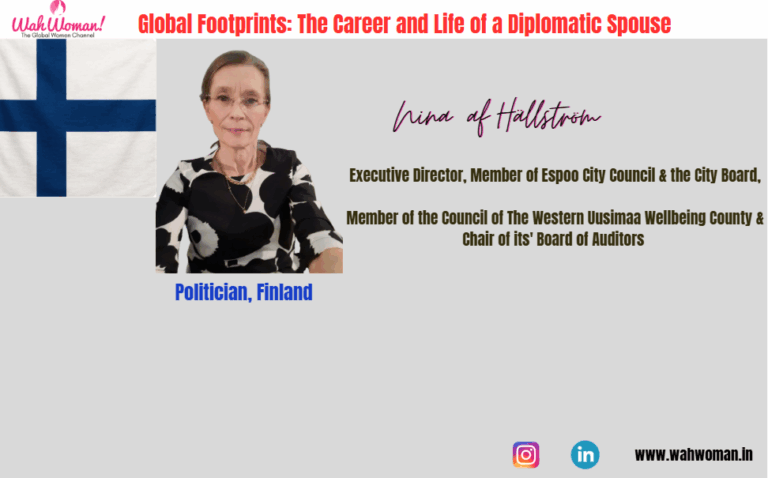
In this inspiring episode on WahWoman, we speak with Nina af Hällström, spouse of the Consul General of Finland in Mumbai. But Nina is far more than a diplomatic partner — she’s an accomplished political leader, Executive Director in the disability sector, and a proud mother and grandmother. We explore how she’s balanced life across cultures, built a strong career in Finland, and stayed rooted in purpose while living abroad. Tune in to hear her journey of resilience, adaptation, and leadership across borders. Don’t miss this empowering conversation that shines a light on the often-overlooked lives of diplomatic spouses!
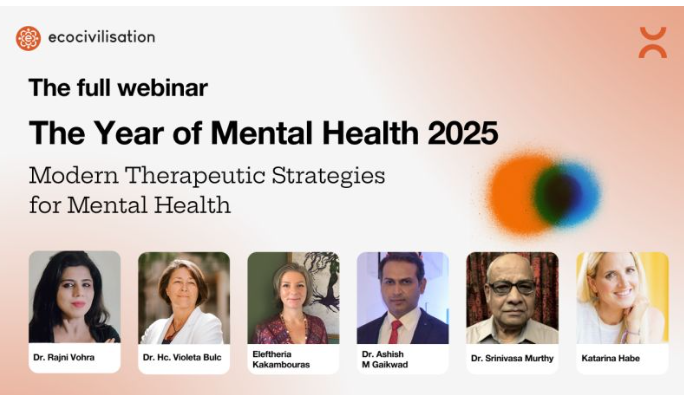
🧠 In association with Ecocivilisation and Terra ZivA, WahWoman proudly hosted a powerful global webinar on mental health:
🎙️ Modern Therapeutic Strategies for Mental Health This dynamic and insightful conversation brought together international experts who shared cutting-edge therapeutic approaches to support mental well-being.
👥 Speakers: 🔹 Dr. Rajni Vohra 🔹 Eleftheria Kakambouras 🔹 Dr.h.c. Violeta Bulc 🔹 Dr. Ashish M. Gaikwad 🔹 Srinivasa Murthy 🔹 Katarina Habe
🌍 Mental health deserves global attention and collective wisdom. This webinar was a step toward deepening awareness and sharing transformative strategies that empower individuals and communities alike.
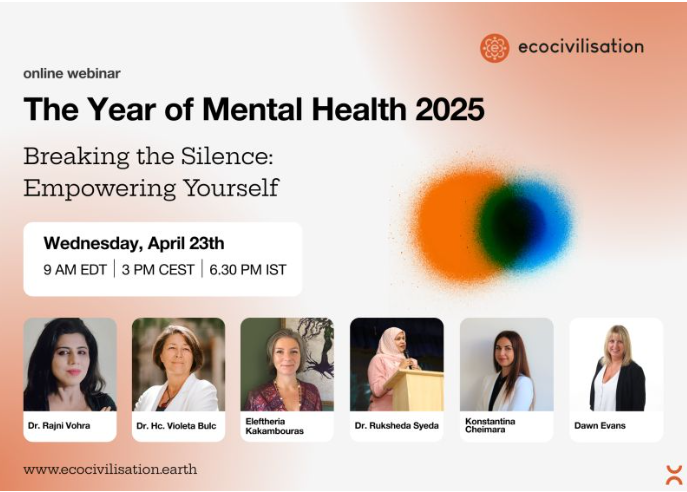
In association with Ecocivilisation and Terra ZivA, WahWoman proudly hosted a global webinar on mental health:
💬 “Breaking the Silence: Empowering Yourself” 📅 Wednesday, April 23rd, 2025
A heartfelt thank you to our incredible panelists who shared their wisdom, personal journeys, and powerful strategies for building mental resilience and breaking the stigma around mental health.
🟠 PANELISTS:
🔹 Dr. Ruksheda Syeda (India) A leading psychiatrist with over 24 years of experience, Dr. Syeda specializes in supporting teenagers, young adults, women, and families through her private practice in Mumbai. Currently the President of the Bombay Psychiatric Society, she is also a TEDx speaker and respected media voice on mental wellness.
🔹 Konstantina Cheimara (Greece) A passionate advocate for mental health and gender-based issues, Konstantina is the founder of the Social Issues Club at The American College of Greece. She’s led initiatives on femicides, trauma, and empowerment and actively supports global platforms like Ecocivilisation to promote social and environmental justice.
🔹 Dawn Evans (United Kingdom) An inspiring entrepreneur and wellness leader, Dawn is the founder of Wales’ largest Mental Health Event and a certified Mental Health & First Aid tutor. Through her company, Ajuda, she has educated over 150,000 individuals in life-saving mental health and first aid skills. Her passion for coaching and wellness has impacted entrepreneurs and communities worldwide.
🧠💗 Thank you to all who joined us for this deeply empowering conversation. Together, we’re breaking the silence, one voice at a time.
Webinar Recap | Foundation of Mental Health: Why it Matters for Everyone? 🗓️ Wednesday, March 26, 2025 📍 Hosted by WahWoman in association with Ecocivilisation and Terra zivA
Mental health is not a privilege — it’s a fundamental human need. With this belief at heart, WahWoman held a powerful and insightful webinar titled “Foundation of Mental Health: Why it Matters for Everyone?” bringing together global experts and thought leaders to explore the essential pillars of mental well-being.
💬 Expert Panel Included:
✅ Dr. Om Bedekar – Renowned Psychiatrist with over 35 years of experience, known for his minimal-medication approach to mental health. ✅ Dr. Swati Karve – Esteemed Psychologist, Educator, and CEO of SwastiVishwa Institute, bringing 30+ years of expertise in therapy, education, and organizational training. ✅ Helen Davies – G100 England Regional Chair for Mental Health, a passionate neurodivergent expert and advocate for inclusive mental health practices.
The session emphasized:
Preventive and holistic approaches to mental health
Addressing neurodivergence and inclusion
The need for collective responsibility in destigmatizing mental health
Curated by: Dr. Rajni Vohra, Eleftheria Kakambouras, and Dr. hc. Violeta Bulc — a dynamic team committed to cross-cultural learning, empathy-driven leadership, and inclusive well-being.
Together, we are building a world where mental health is not hidden, but honored. #MentalHealthMatters #WahWoman #Ecocivilisation #TerraZivA #MentalWellbein

 Rethinking Serotonin: What Gender Differences Truly Tell Us